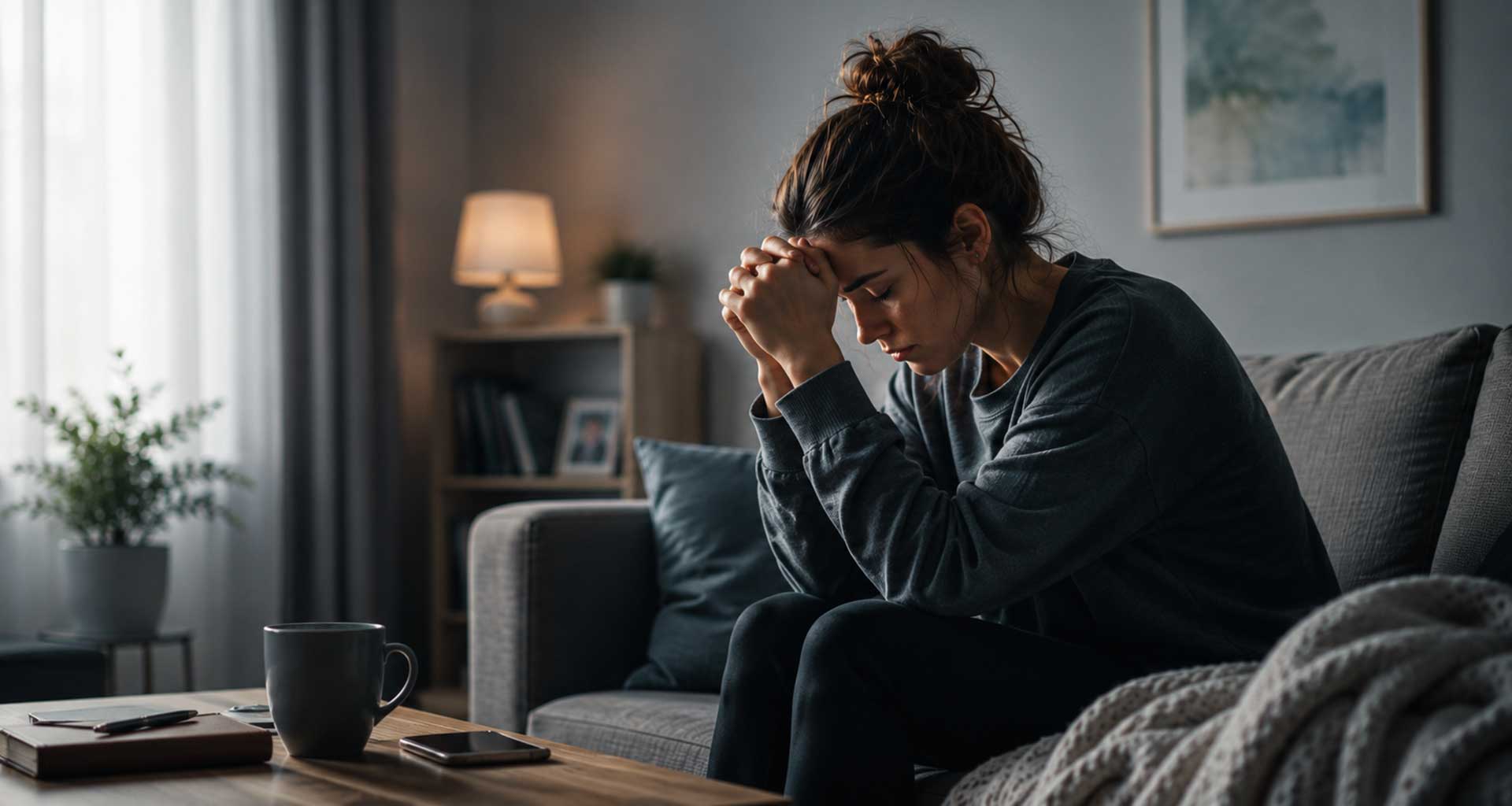
Depression
Understanding Depression: A Path to Healing
Depression is more than just feeling sad or going through a rough patch—it is a serious mental health condition that affects millions of people worldwide. If left untreated, depression can interfere with daily life, relationships, and overall well-being. With the right support and depression therapy, healing is possible.
What Is Depression?
Depression is a mood disorder characterized by persistent feelings of sadness, hopelessness, and loss of interest in activities once enjoyed. It can also manifest physically, causing fatigue, changes in appetite, and sleep disturbances. The condition varies in severity, from mild depressive episodes to major depressive disorder (MDD), which can be debilitating. In many cases, depression may occur alongside anxiety, making symptoms more difficult to manage without professional depression therapy.
Common Symptoms of Depression
Depression affects individuals differently, but common symptoms include:
Persistent sadness, emptiness, or hopelessness
Loss of interest in hobbies or activities
Fatigue and low energy
Difficulty concentrating or making decisions
Changes in sleep patterns, including insomnia or excessive sleeping
Appetite changes that lead to weight loss or gain
Feelings of worthlessness or excessive guilt
Thoughts of self-harm or suicide
Physical symptoms such as headaches, digestive issues, and muscle pain
Causes and Risk Factors of Depression
There is no single cause of depression. Instead, it often develops due to a combination of genetic, biological, environmental, and psychological factors.
Genetics: A family history of depression can increase risk.
Brain chemistry: Imbalances in neurotransmitters such as serotonin and dopamine may contribute to depressive symptoms.
Trauma and stress: Abuse, grief, financial strain, or major life changes can trigger depression.
Medical conditions: Chronic illness, hormonal changes, and some medications may play a role.
Personality traits: Low self-esteem or persistent negative thinking patterns can increase vulnerability.
Social isolation: Limited social support or ongoing loneliness can significantly affect mental health.
Effective Treatment Options for Depression
At New Life Therapy, we take a holistic and individualized approach to depression therapy. Effective treatment often involves a combination of therapeutic support, lifestyle changes, and, in some cases, medication management.
Therapeutic Approaches to Depression Therapy
Cognitive Behavioral Therapy (CBT) helps individuals identify and change negative thought patterns.
Mindfulness-based therapy encourages emotional awareness and regulation.
Psychodynamic therapy explores past experiences and unresolved conflicts.
Interpersonal Therapy (IPT) focuses on improving relationships and communication patterns.
Support groups reduce isolation by connecting individuals with shared experiences.
Medication management may be recommended when appropriate to support emotional balance.
Lifestyle Changes That Support Depression Therapy
Regular exercise boosts mood by releasing endorphins.
A healthy, nutrient-rich diet supports brain health.
Quality sleep improves emotional regulation and focus.
Stress management techniques such as meditation, journaling, and breathing exercises reduce emotional overload.
Engaging in meaningful activities and social connection helps restore purpose.
Limiting alcohol and substance use prevents worsening depressive symptoms.
Depression Therapy at New Life Therapy in Granada Hills
Depression can feel overwhelming, but you are not alone. Seeking professional depression therapy is an important step toward healing. At New Life Therapy in Granada Hills, we provide compassionate, evidence-based mental health services tailored to each individual’s needs. Whether you are experiencing mild depression or major depressive disorder, our goal is to help you regain hope, clarity, and emotional balance.
If you or a loved one is struggling with depression, we encourage you to reach out. With the right support and therapeutic tools, recovery is possible, and a more fulfilling life is within reach.